Florida faces the perfect storm when it comes to the intersections of affordability and the changing climate. Every year, hundreds of millions of dollars are put into the state budget to protect and improve waterways and access to water. About $150 million goes to flooding, sea level rise, and beach renourishment programs in this year’s state budget.
We spend millions of dollars dredging up sand and putting it on the beach, only for it to wash out in a few years. The state budget includes programs for fixing sewer systems and septic tanks so they don’t flood the Florida Aquifer. Millions are earmarked for preventing/handling algae blooms like red tide.
It is impossible to separate the changing climate and affordability. Whether building suburban sprawl in previously rural counties, a softening of the housing market; gambling on dropping property insurance because it’s too expensive, sweltering in heat because electric bills have almost doubled, or not evacuating because there’s nowhere affordable to go, money and weather keep shaping our lives.
The 2026 midterms can help determine how Florida officials address affordability and how it interchanges with the climate. How will the next elected leadership work on these issues, at the city, county, and state level?
Severe Weather
Hurricanes, tornadoes, thunder and lightning – however these happen elsewhere, they seem to be on steroids in Florida. Florida residents are doubly hit by hurricanes and tropical storms. Not only do Floridians have to deal with fixing their own property after storms, but the cities and towns where they live and pay taxes have to direct pools of money toward repairs, resilience efforts, and more.
Shore Acres, a flood prone neighborhood in St. Pete, currently has a $33 million project that is attempting to stem storm and sunny day flooding there. The 1.5 square mile neighborhood is a manufactured island. 2024’s Hurricane Helene flooded up to 80% of the houses there. The money for remediation is a combination of local, state, and federal funds.
Estimates for the cost for fixing Florida after Hurricanes Helene and Milton range from $40-45 billion, including out of pocket costs for residents.
Property Insurance Woes
Louisiana, Nebraska, and Florida have the highest insurance cost/income ratios in the country (which is calculated by dividing the mean income by the mean property insurance cost).The good news is that Florida’s insurance premiums are coming down slightly (or more specifically, not increasing as quickly). This can be attributed to state laws going into effect and a quiet 2025 hurricane season.
The bad news is, as noted, we are still third in insurance costs in the country. According to the Miami Herald,
Across the United States, homeowners insurance premiums increased an average of 38 percent, while in Florida, premiums shot up 75 percent during the same period (between 2021 and 2025), according to a report from national nonprofit group the Coalition for an Insurable Future.
Property insurance is unaffordable for some, and a serious financial blow to many. Hurricanes and other bad weather, sunny day flooding, and sink holes are just some of the environmental issues affecting the bottom line. Government officials also often point to frivolous law suits and overlarge settlements as the culprits driving up insurance costs.
Is there a legislative solution?
Florida’s elected leadership haven’t addressed how insurance companies move millions, and maybe billions, of dollars out of the state to parent companies and investors, in violation of state law. According to Tampa Bay Times reporting,
The report, the most in-depth dive into the byzantine finances of Florida’s homeowners insurance market, reveals that as the industry was ailing and companies were losing money, executives distributed $680 million in dividends to shareholders while diverting billions more to affiliate companies.
Florida State House Bill 1399 was sponsored by Clearwater Republican Rep. Kimberly Berfield. It would have required significantly more transparency from the state’s insurance company on the money insurance companies send out of state passed almost unanimously in the house this year. The Florida Senate, however, let it die in committee.
Another house bill aimed at the residential housing market, HB1396, also died in committee. This bill would have increased transparency in the third party litigation market in Florida among other things. Third party litigation is often pointed to as a factor driving up insurance costs. This bill, though, was criticized as harming defendants and protecting corporations.
Utility Bills
If you live in a Florida municipality that has its own electric utility, congratulations. Your costs have gone up, but only about 12% since 2017. The rest of us? Florida’s Voice explains
At some of the state’s largest investor-owned utilities, recent bill increases have been staggering. TECO Energy bills are up 86% since 2020, Florida Power and Light (FPL) bills have risen 45%, and Duke Energy bills are up 49%. FPL recently secured its largest-ever rate hike at about $7 billion with roughly $1 billion in new annual revenue.
A combination of cozy relationships with regulators, a governor who prioritizes fossil fuels over renewable energy sources, and powerful lobbying keep most Floridians’ bills high. While it is dangerous for vulnerable people to go without air conditioning in our 90 something degree days and nights, some people can’t afford to turn it on. Sadly, Florida leads the nation in heat related illnesses.
Climate Gentrification
An article on Yahoo Finance cheerfully prompts people to look to inland Florida for a new place to live, avoiding the rising coastal insurance and cost of housing conundrums. Not mentioned is how these new housing developments burden rural infrastructure, displace nature, and add traffic, light, and other pollution to more pristine parts of the state.
Climate gentrification is rapidly changing both Florida’s rural and urban areas. The best definition is when wealthier or more financially mobile people start to move into lower-income communities, displacing residents, driving costs up, and diluting local culture and community.
It can happen one property at a time, but is more likely a result of purposeful practices. University of Michigan research states
Accordingly, climate gentrification can manifest in a few ways. First, extreme weather events such as hurricanes can rip through low-income neighborhoods, destroying subsidized and affordable housing and displacing hundreds to thousands of residents. As a result, predatory investors and developers are incentivized to buy up the damaged, devalued properties and invest in high-end redevelopment projects that attract a wealthier demographic, resulting in the displacement of long-term residents.
Rural becomes suburban
Developers buying up land in rural communities might be following the playbook of Seaside, Florida. Planned communities are centered around a single farm (agrihoods). This Disneyfacation of rural life is not cheap, nor is it authentic. Neither quality may matter. The Villages in north central Florida, transformed the region, and continues to expand southwardly into rural areas.
Hardee County, population 25,750, has a proposed age restricted development of more than 7,600 homes. Residents of Sumter County, population 161,283, are battling a proposed 263 acre development on farmland. These and other developments might be the reason the state gave money to the Rural Lands Protection Program . They could have funded it and the Florida Forever Program, but didn’t.
Investors also are looking at rural Florida to place their data centers. Alachua (104 acre site), Arcadia (800 acre site), Citrus (1,356 acre site) – the list goes on. The good news is that citizens are becoming activists to protect their communities until data center developers start building them in less harmful ways.
Cities are reshaped
Florida cities’ version of gentrification causes rapidly increasing purchase prices for land and homes (how many older homes in your neighborhood have been knocked down and replaced with 3,000 square foot bemouths?). This has a triple impact: smaller, more affordable homes are taken off the market; rental units disappear; and a neighborhoods’ character is dismantled. This could especially harm vulnerable populations who feel forced to sell, and then are unable to stay near their former homes.
Eviction rates increase, indigenous small businesses that have grown up in their local communities fail, and cities transform in ways residents may not support. In response, activists are creating networks to educate and oppose. One group is experimenting with land trusts, which allow residents to retain home ownership in established low income neighborhoods.
Floridians Take Action
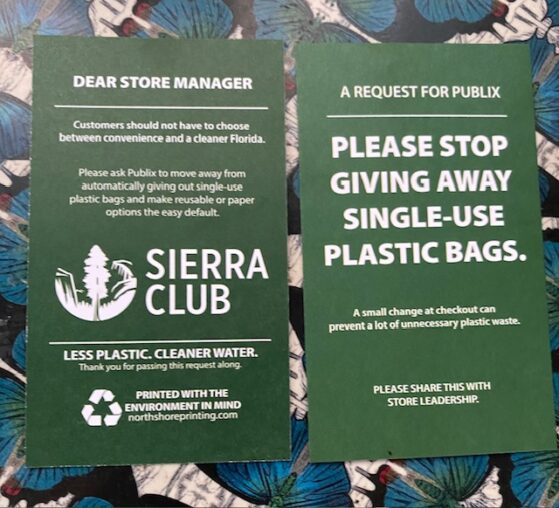
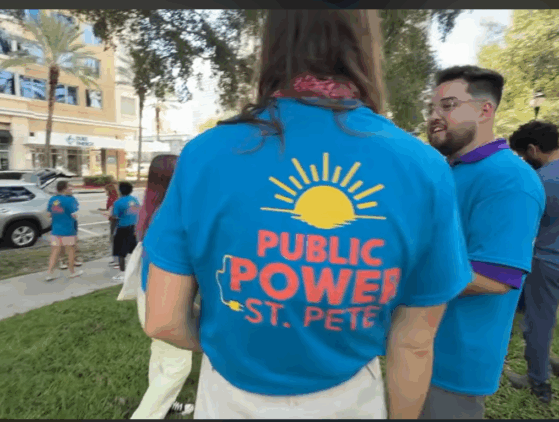
One of the brighter parts of this issue is how normally unpolitical people have started to get involved in shaping their local policies. Whether it is battling proposed data centers, supporting legislation to protect rural land, or keeping low income people in their homes, Floridians are pushing back. Pasco County just started a moratorium on data centers. The citizens of Eustis in Lake County forced a freeze on a major development. The Sierra Club, Friends of the Everglades, Captains for Clean Water – all organizations made up of locals, have helped strengthen Everglades protections in Miami-Dade County’s development plan.
When the people speak, politicians are made to listen.